


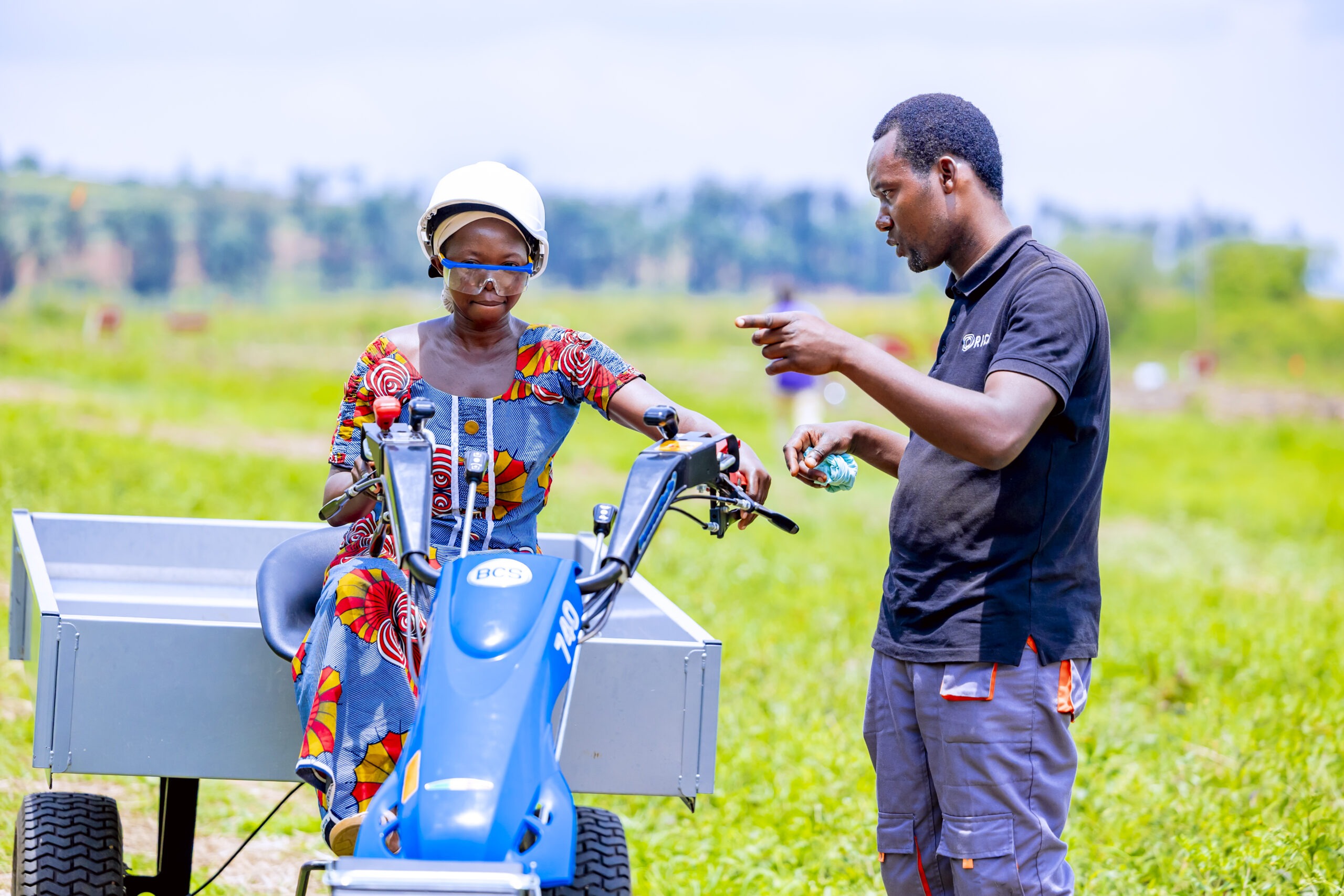
The Food and Agriculture Organization of the United Nations (FAO) in Rwanda, the Rwanda Institute for Conservation Agriculture (RICA), and the Rwanda Agriculture and Animal Resources Development Board (RAB) officially launched the Sustainable Agricultural Mechanization through Farmer Field Schools (SAM-FFS) for Smallholder Producers project on at RICA campus in Bugesera.
This joint initiative is designed to equip smallholder farmers with essential skills in climate-smart, appropriately scaled business-oriented mechanization and conservation agriculture practices.
The Sustainable Agriculture Mechanization through Farmer Field School (SAM/FFS) initiatives represents a milestone partnership between three leading institutions at the forefront of Rwanda’s agricultural transformation.
Through this joint effort, FAO, RICA, and RAB, the initiative is strengthening capacity across agricultural mechanization ecosystem, including local producers, farmer facilitators, cooperatives, and repair service providers to adopt and integrate environmentally, economically and socially responsible mechanization practices that enhance productivity while preserving natural resources.
Dr. Nomanthema Mhalanga, FAO Rwanda Representative (a.i), underscored the collective commitment to sustainable agricultural transformation, advancing support for smallholder farmers through Farmer Field Schools: .
By joining hands with RICA and RAB, FAO Rwanda reaffirms its commitment to transforming smallholder agriculture through innovation and collaboration. Together, we are championing sustainable, climate-resilient mechanization that empowers producers to increase productivity, protect natural resources, and secure a more prosperous future for rural communities “ – stated Dr Nomathemba Mhalnga.
Thirty FFS facilitators from Gatsibo, Bugesera, and Kirehe districts have already successfully completed a two-week hands-on training course at RICA. This intensive program utilized the participatory Farmer Field School (FFS) model to foster experiential learning. During the initial part of the training, FFS Facilitators acquired practical skills in sustainable agricultural mechanization (SAM) and conservation agriculture (CA), including basic machinery operation and effective farmer-centered learning techniques.
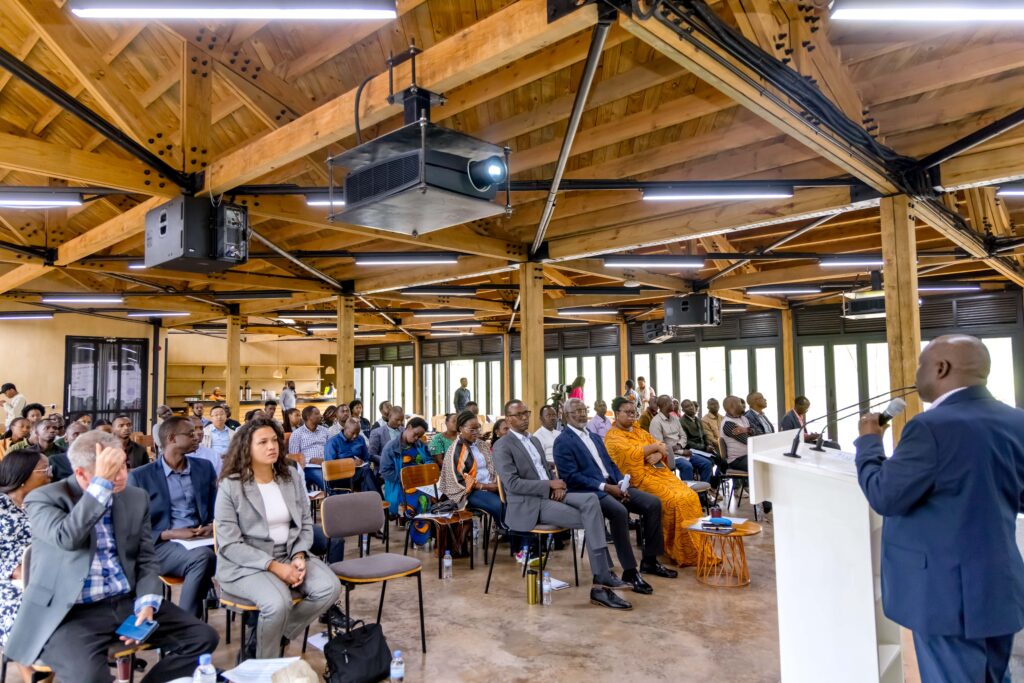
They were also guided on how to integrate these technical areas into locally adapted FFS curricula using core FFS principles, and processes.Highlighting the strategic significance of such capacity-building initiatives, Dr. Olusegun Adedayo Yerokun, RICA’s Interim Vice Chancellor, articulated the strategic importance of the collaboration for farmer productivity:
“This collaboration underscores RICA’s mandate to equip farmers with specialized knowledge, thereby enhancing their production capabilities. It is intrinsically linked to our Conservation Agriculture approach, a strategy that demonstrably cultivates better soil health and yields greater productivity.” – said Dr Yerokun.
The SAM-FFS learning curriculum emphasizes safe, efficient, and environmentally sustainable machinery use, demonstrating how the right tools and practices can significantly increase smallholder productivity while protecting vital soil, water resources, and efficient utilization of farming inputs.Additional core component of the SAM-FFS program is the integration of enterprise development.
The project specifically empowers FFS Facilitators with the capacity to guide farmers in recognizing mechanization not just as a production tool, but also as a viable business opportunity.
This strategic focus aims to strengthen local mechanization ecosystem and services, improve small-scale producer’s access to essential equipment, and create new income streams for farmer cooperatives in rural communities.
The program directly addresses critical challenges faced by smallholder farmers, such as limited access to suitable mechanization services, the necessary technical skills for safe and effective machinery operation.
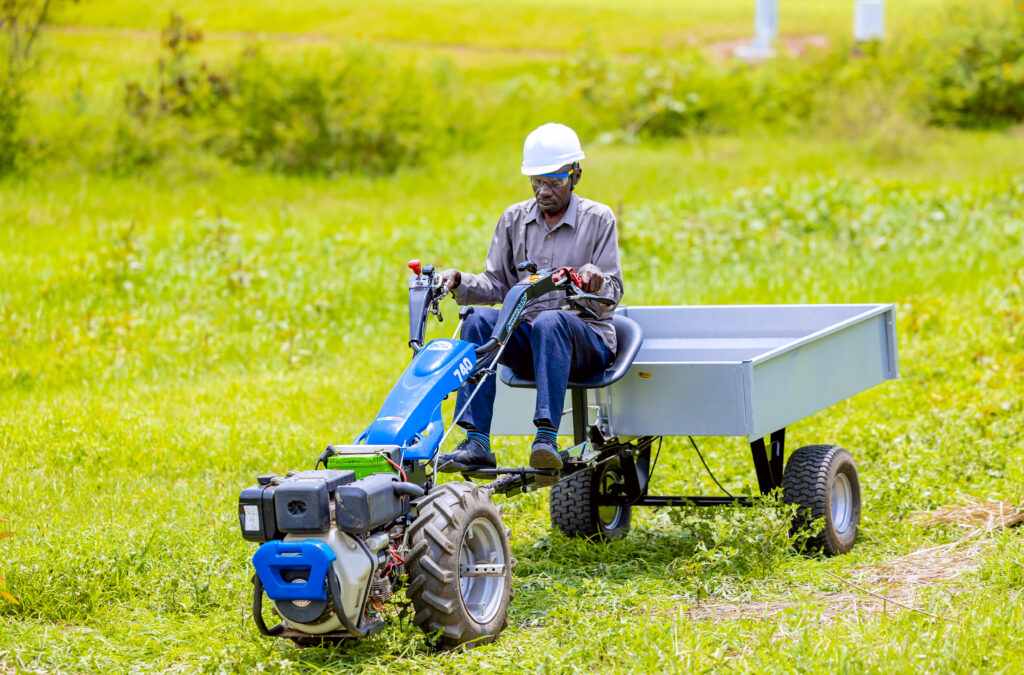
By equipping FFS facilitators with comprehensive skills and knowledge in sustainable agricultural mechanization (SAM), conservation agriculture (CA), and robust business models, the initiative seeks to stimulate sustainable farming practices, foster resilient, and market-oriented rural livelihoods.
Highlighting the importance of community engagement for successful adoption , Dr. Solange UWITUZE, RAB’s Acting Director General, reaffirmed RAB’s commitment to mobilizing smallholder producers across the target districts and providing them with continuous technical backstopping and post-training follow-up crucial for successful adoption: “Active engagement with grassroots communities is of critical to accelerating the adoption of sustainable agricultural mechanization and conservation agriculture.
This approach enhance productivity and strengthens the resilience of farmers throughout Rwanda.” It is expected that the project will contribute to promote the modernization of crop production in the current farm management model known as Food Basket Site (FoBaSi) as the project pilots are part of consolidated sites country wise. – stated Dr Solange.
By strengthening the technical and advisory capabilities of facilitators, the SAM/FFS program is set to accelerate adoption of climate-smart mechanization solutions across Rwanda’s smallholder producers, ushering in an era of enhanced agricultural productivity, create youth employment and engagement in agriculture, promote sustainability, and contributing to building a resilient agrifood system.
